

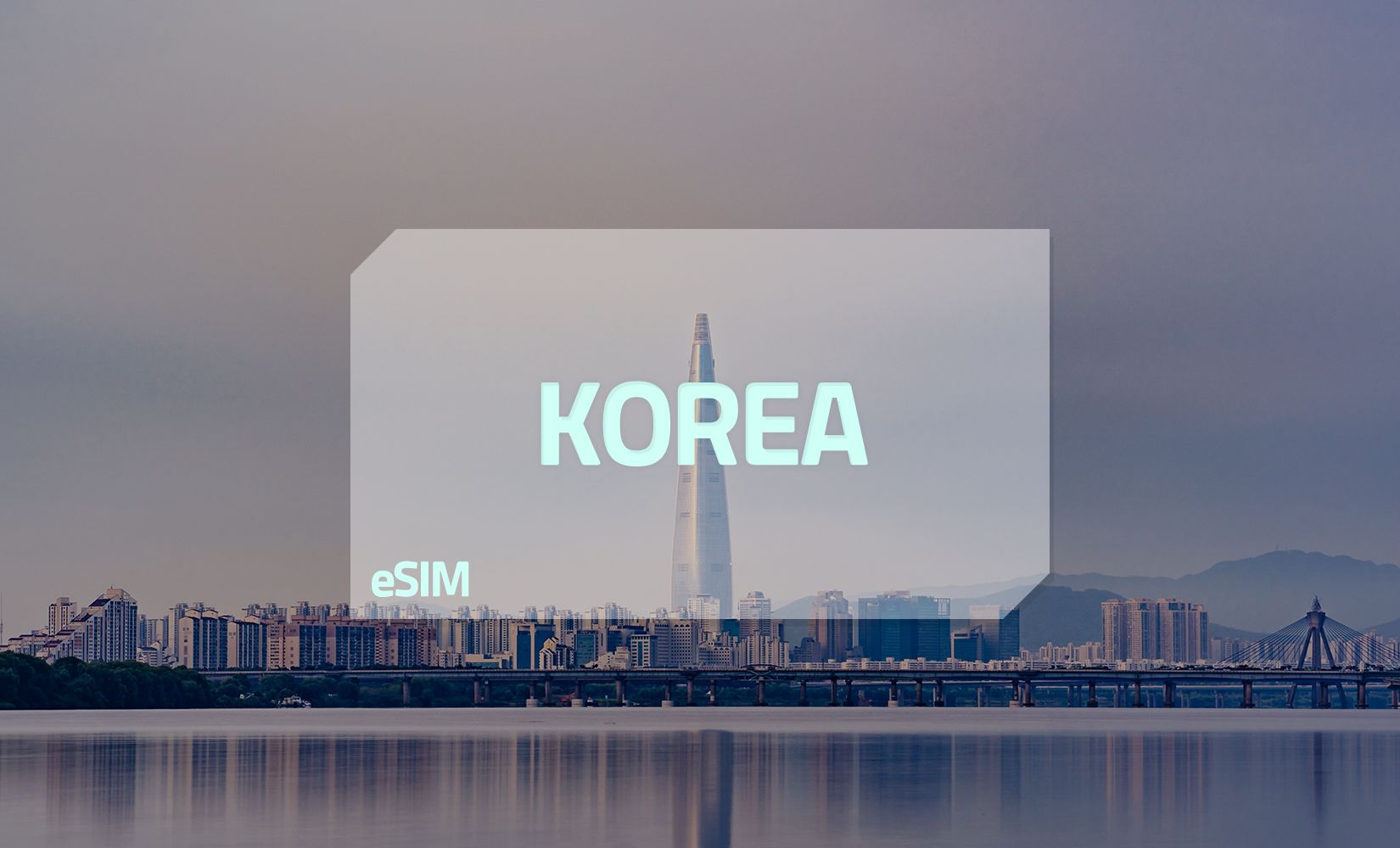
Gain insights into the definition, working mechanisms, and superior advantages of Korea eSIM, illuminating this novel SIM technology in South Korea and the sophisticated offerings from Twise.tech.
I. Introduction
In a global landscape marked by relentless technological innovation, the telecommunication field is witnessing a sweeping paradigm shift. The emergence of eSIM technology vividly illustrates this trend. It represents more than just a technical enhancement; it is fundamentally altering our engagement with mobile services.
eSIM signifies a substantial leap forward, liberating users from the constraints of traditional physical SIM cards. This innovation delivers unprecedented levels of convenience, flexibility, and efficiency. Especially in South Korea, a nation consistently at the forefront of adopting new technologies, the inquiry "What makes Korea eSIM relevant for users in South Korea?" gains paramount importance.
The primary objective of this article is to provide a detailed and comprehensive analysis of Korea eSIM. We will precisely define "What Korea eSIM entails?", how it functions, and the remarkable gains it delivers for both personal and corporate entities. Via this detailed discussion, we aim to provide readers with the necessary insights to enable well-considered choices concerning the implementation of this progressive technology.
1. Definition and Overview of Korea eSIM
1.1. What is an eSIM (Embedded SIM)?
eSIM, an acronym for "Embedded Subscriber Identity Module", is a digital SIM solution built directly into a device's internal components. Differing from standard physical SIM cards, eSIM obviates the necessity for physical manipulation or exchange. Conversely, user data is downloaded and controlled remotely via network protocols. This transformative approach provides a significant enhancement in usability, facilitating quick and straightforward mobile service activation. The eSIM chip is a tiny, reprogrammable component permanently soldered onto the device's main board, making it an integral part of the device itself.
2. eSIM vs. Traditional SIM: Key Distinctions
Key differentiators between eSIM and traditional SIMs revolve around their physical nature, activation procedures, and the user journey. Understanding these differences is crucial for appreciating the transformative potential of eSIM technology.
Form Factor and Physicality: A traditional SIM card is a small, removable plastic card that must be inserted into a dedicated slot in a device. eSIM, conversely, is an embedded chip, permanently integrated into the device's internal circuitry. This obviates the necessity for a physical tray, enabling more compact device aesthetics and enhanced water protection.
Setup and Configuration: Activating a traditional SIM involves physically inserting the card and often requires manual configuration or a visit to a carrier store. eSIM activation is entirely digital, typically accomplished by scanning a QR code or entering an activation code provided by the carrier. This remote configuration feature is a fundamental aspect of eSIM's user-friendliness.
Network Operator Changes and Profile Management: For physical SIMs, changing carriers or plans requires acquiring and swapping out a new SIM card. eSIM permits the storage of numerous network operator profiles on a single device at the same time. Switching between these profiles is a simple software operation, making it incredibly flexible for travelers or those with dual numbers.
Security and Durability: Physical SIM cards are susceptible to loss, damage, or theft, which can jeopardize personal information. eSIMs, due to their embedded nature, are less susceptible to physical manipulation, loss, or harm. Data on an eSIM is also encrypted and secured with sophisticated protocols, boosting privacy.
Range of Applications: While physical SIMs are primarily found in smartphones, eSIM expands its utility to a broader spectrum of gadgets. Such devices include smartwatches, tablets, notebooks, connected automobiles, and numerous Internet of Things devices.
3. How Korea Has Implemented eSIM: Regulatory Frameworks and Popular Usage
Korea has swiftly adopted and rolled out eSIM technology. Major mobile network operators (MNOs) such as SK Telecom, KT, and LG U+ have all introduced eSIM services. This widespread adoption aligns with international standards set by the GSMA (Groupe Spécial Mobile Association). The GSMA's guidelines guarantee seamless functionality and secure delivery of eSIM profiles across various networks and devices worldwide.
Common applications of eSIM in South Korea are diverse and cater to various user segments. These include international travelers seeking immediate connectivity upon arrival. eSIM presents an effortless option for travelers to utilize local data services without procuring a physical SIM card. Moreover, domestic users often leverage eSIM to maintain dual phone numbers on a singular handset. Such functionality is highly advantageous for distinguishing personal from business contacts, or for users desiring an additional number. Beyond mobile phones, eSIM is increasingly incorporated into IoT gadgets and smart timepieces. This integration substantially enhances the intelligent connectivity ecosystem within the country.
2. How Korea eSIM Works
2.1. The Process of Installing and Activating eSIM via QR Code or Activation Code
The procedure for setting up and activating Korea eSIM is carefully crafted to be user-friendly and clear. Users typically receive a unique QR code or an alphanumeric activation code from their service provider. This code acts as a digital key, containing all the necessary subscriber profile information.
To initiate service, the user just goes to the mobile settings on their compatible gadget. Next, they select the feature to "Add Cellular Plan" or "Add eSIM". One uses the device's camera to scan the QR code, or inputs the activation code by hand. Upon successful scanning or entry, the device connects to the carrier's network to download the eSIM profile securely. This profile contains all the essential details, such as the subscriber's identity, authentication keys, and network access information. This whole procedure typically takes just a few moments, offering immediate connection without any physical handling.
2. Seamless Integration with Korean and Global Mobile Network Operators
Korea eSIM is expertly designed to integrate flawlessly with the advanced infrastructures of leading mobile network operators across South Korea. This guarantees users a consistent and dependable service experience, capitalizing on the country's cutting-edge telecom framework. In addition to local integration, eSIM offers wide-ranging compatibility with international mobile service providers. This worldwide compatibility is a core strength, particularly for tourists and business people.
Upon international travel, an eSIM-equipped device can download a local carrier's profile, granting instant access to local tariffs and services. This eliminates the need to purchase physical SIM cards in each country, simplifying international roaming and reducing costs. The integration is built upon secure protocols and standardized interfaces, guaranteeing subscriber data protection and authenticated network access. This strong framework underpins a genuinely global and adaptable mobile experience.
3. Descriptive Overview of the Activation and Usage Workflow
To gain a clearer understanding of how Korea eSIM functions, let's describe a standard activation and usage sequence.
Purchase eSIM Plan: The user first selects and purchases an eSIM plan from a carrier or a third-party provider like Twise.tech. This transaction can be completed online, typically via a website or a specialized application.
Get Activation Details: After purchasing, the user gets an activation kit, usually with a QR code or an alphanumeric string, sent via email or the provider's application.
Access Device Settings: The user then opens the "Settings" application on their eSIM-compatible smartphone or device.
Add Cellular Plan: Inside "Settings," they proceed to the "Cellular" or "Mobile Data" area and choose to "Add Cellular Plan" or "Add eSIM".
Use QR Code or Key: The camera on the device will activate, asking the user to scan the given QR code. There is also an option to type in the alphanumeric activation code by hand.
Fetch eSIM Configuration: The device securely connects to the mobile carrier's servers to download the eSIM profile. This profile contains all the necessary network credentials and subscriber information.
eSIM Profile Activation: Upon download, the user is guided to configure the new mobile plan, for instance, by labeling it (e.g., "Personal," "Travel," "Work"). The eSIM is now live and available for use.
Utilization and Administration: Users can seamlessly switch between multiple eSIM profiles or between an eSIM and a physical SIM (if supported by the device) through the same cellular settings. This delivers unparalleled adaptability for managing network access.
IV. Key Advantages of Korea eSIM
Korea eSIM introduces a multitude of significant advantages, profoundly enhancing the mobile connectivity experience for users.
3.1. Convenience and Ease of Switching Carriers and Plans
One of the most compelling advantages of eSIM is its unparalleled flexibility in switching mobile carriers or data plans. Users are liberated from the inconvenient steps of store visits, waiting periods, or physical SIM card exchanges. All these operations can be executed digitally, often with just a few taps on their device's screen. This functionality is especially precious for people who travel often, or for those seeking to exploit the best promotions from diverse network operators. It enables users to immediately adjust their connectivity requirements to their present location or usage habits.
2. Freedom from Physical SIM Exchange, Preventing Misplacement
Thanks to eSIM, users no longer need to worry about managing small, easily lost physical SIM cards. This not only shields the device from potential harm to its SIM tray or the infiltration of dust and liquid, but also guarantees uninterrupted connectivity, even if a physical SIM were to be compromised or misplaced (in devices supporting dual SIMs). Being embedded, eSIM is an intrinsic part of the device, greatly diminishing the chance of theft or unauthorized use of subscriber details. This proves to be a critical advantage for active users or those who place a premium on device durability.
3. Streamlined Travel and Business Operations in Korea with Time Savings
Korea eSIM provides an optimal solution for international visitors and business people coming to South Korea. Upon arrival at the airport, they can instantly activate mobile services, eliminating the need to locate local SIM card sellers. This eradicates the usual inconveniences of linguistic obstacles, finding money changers, and queuing. Such efficiency significantly saves time and effort, allowing them to focus entirely on the purpose of their trip, whether it's leisure or business. Immediate connectivity means instant access to navigation, communication with contacts, and sharing experiences.
4. Superior Security and Data Protection Over Conventional SIM Cards
eSIM technology intrinsically offers a higher level of security when contrasted with its physical equivalents. As there is no physical card to extract, misplace, or copy, the danger of SIM card theft or illicit reproduction is considerably lessened. User information and access credentials are encrypted and stored securely within the chip, making it significantly more difficult for attackers to compromise. The remote setup process is additionally safeguarded by powerful authentication protocols, ensuring that merely authorized profiles are loaded onto the device. korea esim fosters improved data privacy and user reassurance.

5. Illustrative Devices: eSIM-Compatible Smartphones in Korea
Major smartphone producers have broadly embraced eSIM technology. In South Korea, premium smartphone models from Apple and Samsung are prime examples of devices that fully support eSIM functionality. Specifically, all iPhone models from the iPhone XS onwards, including the iPhone 11, 12, 13, 14, and 15 series, are eSIM compatible. Similarly, Samsung's flagship devices, such as the Galaxy S20, S21, S22, S23, S24 series, and the latest Galaxy Z Fold and Z Flip models, also incorporate eSIM technology. In addition to smartphones, various smartwatches (e.g., Apple Watch, Samsung Galaxy Watch) and some tablets are also equipped with eSIM features. Such pervasive integration emphasizes the rising adoption and prevalence of eSIM across the entire mobile device spectrum.
V. Twise.tech's eSIM Solutions and Offerings
1. Presenting Twise.tech's Specialized eSIM Offerings for Korea
Twise.tech is distinguished as a top-tier provider of advanced eSIM solutions, concentrating particularly on the fast-paced and high-tech Korean market. We possess a deep understanding of the unique connectivity demands of users in this region, spanning from global visitors and corporate travelers to indigenous businesses and private citizens. Twise.tech's eSIM solutions are meticulously engineered to deliver maximum convenience, uninterrupted connectivity, and competitive pricing. Our pledge is to ensure a smooth mobile experience, making sure our customers maintain connectivity perpetually, no matter their whereabouts.
2. Tailored Service Plans for Travelers and Enterprises
Twise.tech presents a wide selection of eSIM service offerings, every one meticulously crafted, to cater to the distinct needs of various customer segments.
For Tourists:
Our flexible data plans include short-term options (e.g., 7, 15, 30 days) with diverse data capacities. Ranging from several gigabytes for essential internet use to unlimited data for extensive usage.
Experience dependable, high-speed internet connectivity throughout South Korea. This facilitates effortless navigation, immediate sharing of travel experiences, and smooth communication with loved ones at home.
Activate your service as soon as you land, bypassing lines and communication hurdles.
For Businesses:
Twise.tech delivers corporate eSIM offerings with unified management features. This enables businesses to effectively manage expenses, track usage, and enhance connectivity for their employees.
The eSIM solutions we provide facilitate stable and secure connections for various IoT devices. Including mobile POS systems, fleet management, and other enterprise-specific connected solutions.
24/7 Professional Support: Businesses benefit from dedicated 24/7 professional customer support. Ensuring uninterrupted business operations and prompt resolution of any connectivity issues.
3. What Makes Twise.tech Stand Out in the eSIM Market
Twise.tech sets itself apart in the bustling Korea eSIM market due to several key competitive strengths. To begin, we provide an eSIM management platform that is highly intuitive and user-friendly. This platform streamlines the process of acquiring, activating, and overseeing eSIM profiles, rendering it approachable even for novice users.
Secondly, Twise.tech prides itself on a broad network of collaborations with leading mobile network operators, both within Korea and globally. This guarantees optimal service quality, superior network coverage, and robust connectivity for our customers. Thirdly, Twise.tech is committed to pioneering the adoption of the most advanced security technologies. We place paramount importance on the complete security of client data and personal details, utilizing advanced encryption and authentication methods. Lastly, our team of expert and committed customer support is accessible round-the-clock. They are consistently on hand to answer queries and resolve concerns quickly and competently, ensuring an uninterrupted user experience.
VI. South Korea's eSIM Outlook
5.1. Predictions about the Expansion and Increasing Popularity of eSIM
Over the next few years, eSIM technology is broadly expected to see ongoing growth and a notable rise in adoption throughout South Korea. This trend will be predominantly propelled by the growing count of eSIM-ready devices, from mobile phones and wearables to smart home technology and the extensive Internet of Things (IoT). Prominent mobile device producers are proactively incorporating eSIM functionalities into their latest offerings. At the same time, public recognition of the diverse benefits offered by eSIM is progressively rising. This confluence of factors is expected to lead to a substantial shift from traditional physical SIM cards to eSIM. This shift is especially relevant considering the growing need for adaptable and varied connectivity options.
2. eSIM Regulation: Policies and Standards by the South Korean Government
The government of South Korea, via its telecom regulatory agencies, is proactively involved in formulating and perfecting policies designed to aid and manage the rollout of eSIM technology. Precise technical specifications and data protection regulations are being thoroughly implemented. The goal is to cultivate a robust competitive landscape, protecting consumer interests, and driving technological advancement. Collaboration among the government, mobile network operators, and solution providers like Twise.tech is set to be a crucial element in determining the future direction of eSIM in South Korea. These regulatory efforts aim to ensure that eSIM adoption is secure, fair, and beneficial for all stakeholders.
3. The Effect of eSIM Technology on Telecommunications and Daily Routines
The widespread adoption of eSIM is expected to significantly transform South Korea's telecommunications sector. It will heighten rivalry among mobile network providers, driving them to perpetually refine their services and launch more enticing rate plans. In daily life, eSIM will introduce an unparalleled degree of user-friendliness. From seamlessly handling several phone numbers on one device, to facilitating the fluid and integrated functioning of smart home appliances. eSIM is not merely a novel technology; it represents a crucial part of the future digital way of life. Its impact will reach beyond simple connectivity, promoting novel modes of interaction and service provision.
VII. Summary
In this comprehensive article, we have thoroughly explored the intricacies of Korea eSIM. We have clarified its inherent characteristics, illuminated its working principles, and emphasized the notable gains it delivers. From the unmatched ease of changing mobile providers, to its improved security aspects and optimized journey for travelers. eSIM is increasingly becoming a vital part of our current connected global landscape.
Especially in the South Korean market, where technological progress consistently takes precedence, eSIM is more than just a technical solution; it serves as a crucial determinant influencing the future trajectory of the telecommunications sector. It brings forth unparalleled flexibility, efficiency, and security, meeting the ever-growing demands of users in the digital age.
Twise.tech proudly serves as a trusted partner in providing state-of-the-art and all-encompassing eSIM solutions. We pledge to furnish our clients with an exceptional mobile connectivity experience. Offering service plans precisely crafted for both visitors and corporate entities, Twise.tech is ever-ready to support you in exploring the full scope of eSIM.
Get in touch with Twise.tech immediately to discover further details about our user-friendly and sophisticated eSIM solutions. Feel the profound change that eSIM technology introduces and enjoy an era of infinite connection with Twise.tech.